
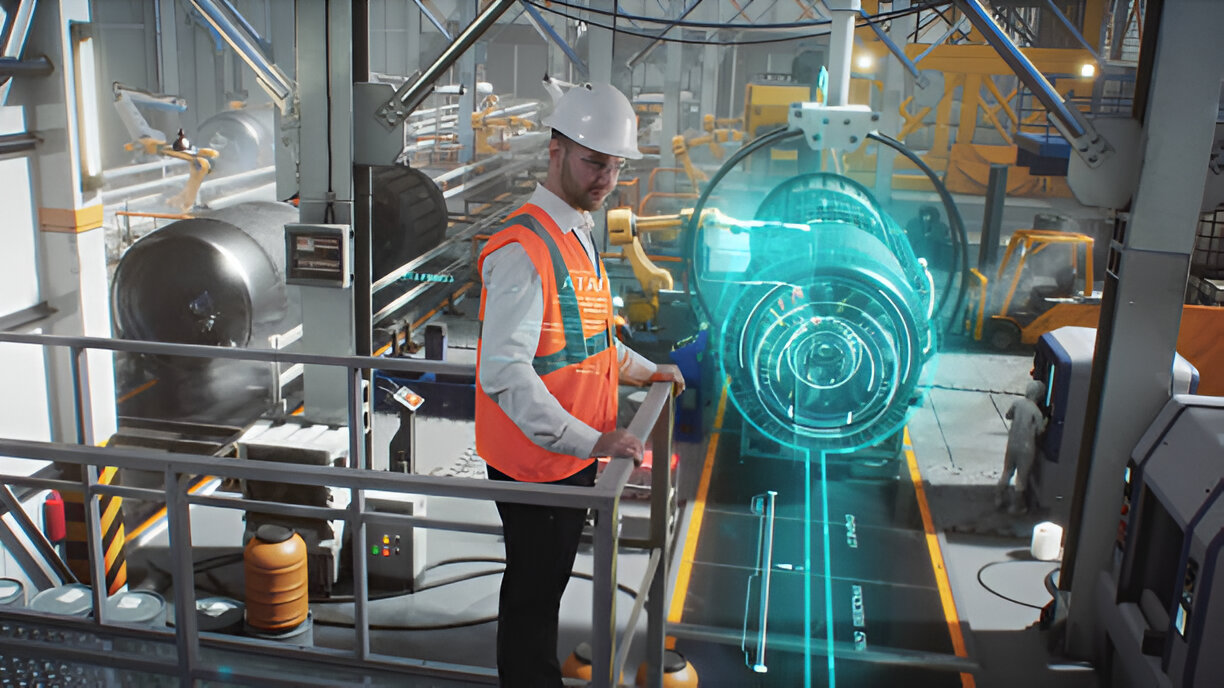
Machinery has been a cornerstone of industrial and economic development since the dawn of the Industrial Revolution. It has transformed the way goods are produced, transported, and consumed, becoming an indispensable part of modern society. From manufacturing to agriculture, construction, and transportation, machinery serves as the backbone of countless industries, driving efficiency, innovation, and economic growth.
Enhancing Productivity
One of the primary contributions of machinery to industry is its ability to enhance productivity. Machines perform tasks faster and more accurately than manual labor, enabling industries to produce goods at scale. Automated assembly lines in factories, for instance, have revolutionized production processes by reducing the time and cost of manufacturing while maintaining consistent quality. This boost in productivity allows businesses to meet market demands effectively, fostering economic growth.
Enabling Technological Innovation
Machinery plays a pivotal role in driving technological innovation. Advanced machinery equipped with cutting-edge technologies, such as artificial intelligence (AI), robotics, and the Internet of Things (IoT), has enabled industries to push the boundaries of what is possible. These innovations lead to the development of new products, services, and business models, keeping industries competitive in a rapidly evolving global market.
Supporting Economic Development
The machinery industry itself is a significant contributor to economic development. It creates jobs, not only in manufacturing but also in maintenance, repair, and operation. Furthermore, machinery facilitates the growth of other sectors by providing the tools and equipment necessary for their operations. For example, the agricultural sector relies heavily on machinery such as tractors, harvesters, and irrigation systems to increase crop yields and ensure food security.
Driving Sustainability
Modern machinery is increasingly designed with sustainability in mind. Energy-efficient machines and renewable energy technologies, such as wind turbines and solar panels, contribute to reducing environmental impact. In industries like construction, machinery is used to develop eco-friendly infrastructure, promoting sustainable urbanization. This alignment with environmental goals ensures that industrial growth does not come at the expense of the planet.
Enhancing Global Trade
Machinery is a critical enabler of global trade. Heavy equipment, ships, airplanes, and trucks facilitate the transportation of goods across continents, connecting markets and promoting international commerce. Additionally, machinery exports represent a significant portion of trade for many countries, contributing to their economic prosperity.
Overcoming Challenges
Despite its numerous benefits, the use of machinery also presents challenges, such as the initial high cost of investment, the need for skilled operators, and the risk of job displacement due to automation. However, these challenges can be mitigated through policies that promote education and training, as well as investments in research and development to make machinery more accessible and inclusive.
Conclusion
In conclusion, machinery is a vital component of industrial and economic progress. Its ability to enhance productivity, drive innovation, support sustainability, and facilitate global trade underscores its importance in modern society. As industries continue to evolve, machinery will remain at the forefront, shaping the future of work, economy, and the environment. Investments in advanced machinery and its integration into various sectors will undoubtedly pave the way for a more prosperous and sustainable world.