
The Importance of Metal Trading in Industrial Growth and Economic Development
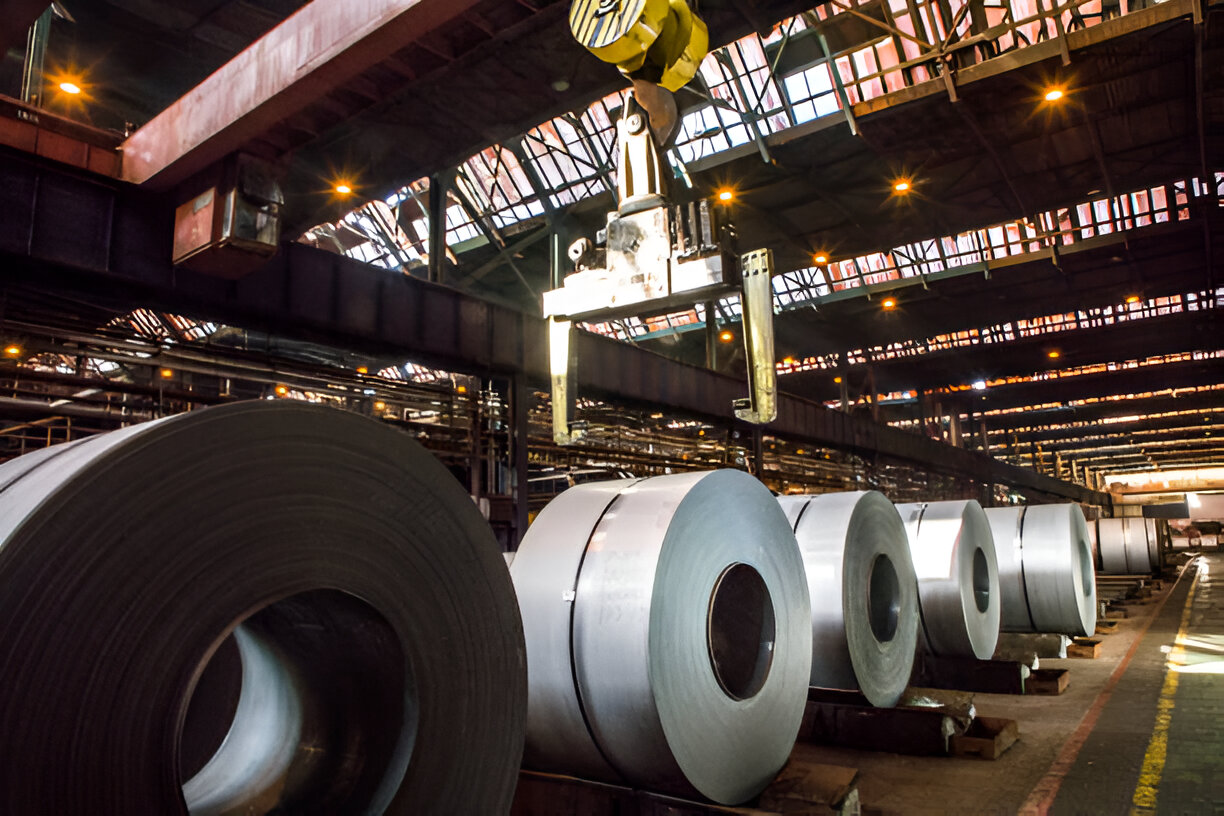
Metal trading plays a pivotal role in the industrial and economic advancement of any region or country. From construction and manufacturing to high-tech industries, metals serve as the backbone of countless sectors. This article explores the critical role metal trading has in supporting industrial growth, fostering innovation, and contributing to the economic prosperity of nations.
1. Metals: The Backbone of Industry
Metals are indispensable in modern industry due to their versatility, strength, and recyclability. Some of the most commonly traded metals include:
- Iron and Steel: Essential for construction, automotive, and machinery sectors.
- Aluminum: Widely used in transportation, packaging, and aerospace industries.
- Copper: Vital for electrical wiring and electronics manufacturing.
- Precious Metals (Gold, Silver, Platinum): Significant in jewelry, electronics, and as financial assets.
The trading of these metals ensures their availability for industrial use, enabling countries to sustain their production cycles efficiently.
2. Catalyzing Economic Growth
The impact of metal trading on the economy can be summarized through its influence on key economic indicators:
- Employment Opportunities: Metal trading creates jobs across the supply chain—from mining and processing to transportation and distribution.
- Revenue Generation: Exporting surplus metals can bring significant income to metal-rich countries, bolstering their GDP.
- Infrastructure Development: The availability of metals supports the construction of roads, bridges, and buildings, crucial for economic growth.
- Investment Attraction: A robust metal trading sector attracts foreign direct investment (FDI), stimulating further industrial expansion.
3. Strategic Importance in Global Trade
Metals are among the most actively traded commodities globally, forming a vital part of international trade agreements. Countries rich in metal resources often have a strategic advantage in global markets.
- Resource Security: Nations with strong metal trading industries are less dependent on imports, ensuring economic resilience.
- Export Competitiveness: Countries that export metals gain an edge in trade balances, which contributes to economic stability.
- Price Stability: Active trading helps stabilize prices, reducing volatility in industrial supply chains.
4. Driving Innovation and Technological Advancements
Metals are at the core of technological progress:
- High-tech Industries: Rare earth metals are crucial for the production of semiconductors, batteries, and renewable energy technologies.
- Green Initiatives: Metals like lithium and cobalt play a significant role in advancing electric vehicles and clean energy solutions.
- Sustainability: Recyclable metals like aluminum and steel contribute to environmentally friendly industrial practices.
A thriving metal trading market ensures that industries have access to the materials they need to innovate and compete globally.
5. Challenges and Opportunities in Metal Trading
While metal trading offers numerous benefits, it also faces challenges, such as:
- Price Fluctuations: Global economic conditions, political instability, and natural disasters can impact metal prices.
- Environmental Concerns: Mining and metal production have environmental implications, requiring sustainable practices.
- Supply Chain Disruptions: Geopolitical tensions and logistical issues can hinder metal supply chains.
Despite these challenges, opportunities for growth abound, especially with advancements in recycling technology and the increasing demand for rare and strategic metals.
6. Case Studies: Economic Impact of Metal Trading
- China: As the world’s largest importer and consumer of metals, China’s robust metal trading sector has fueled its rapid industrial growth and urbanization.
- Australia: Rich in iron ore, Australia’s metal exports contribute significantly to its GDP and trade surplus.
- Germany: With a strong focus on recycling and sustainable metal production, Germany leads in green industrial practices.
These examples highlight how metal trading can transform a country’s economic landscape.
7. Future Prospects of Metal Trading
The demand for metals will continue to rise with the growth of smart technologies, renewable energy, and urbanization. Key trends shaping the future of metal trading include:
- Digital Platforms: Online trading platforms are making metal trading more accessible and efficient.
- Sustainability Practices: Industries are focusing on greener mining and recycling methods to meet global environmental goals.
- Diversification: Expanding the range of metals traded to include more rare and strategic resources.
Conclusion
Metal trading is more than a commodity business; it is a critical driver of industrial development and economic prosperity. By ensuring the availability of essential resources, it supports infrastructure, fosters innovation, and strengthens the global economy. As countries continue to urbanize and industrialize, the importance of metal trading will only grow, reinforcing its role as a cornerstone of modern industry and economic growth.
For nations to remain competitive, investing in sustainable practices and innovative trading strategies will be key to harnessing the full potential of this vital industry.